Traditional Korean Main Dishes for Home Cooking: Comforting Recipes, Cultural Roots, and Everyday Kitchen Wisdom

Traditional Korean main dishes for home cooking are more than recipes written on paper. They are memories simmering slowly in earthen pots, aromas that fill narrow kitchens, and meals that bring families together around a low table. When I first tried cooking Korean food at home, I realized something important very quickly. These dishes are not about perfection or fancy plating. They are about balance, patience, and respect for ingredients. Korean home cooking feels honest, nourishing, and deeply connected to everyday life.
Korean cuisine has evolved over centuries, shaped by geography, seasons, and philosophy. According to the Korean Cultural Heritage Administration, traditional meals were designed to maintain harmony between the body and nature, emphasizing fermented foods, vegetables, grains, and moderate portions of meat. This philosophy still lives on in home kitchens today, where main dishes are cooked slowly, tasted often, and shared generously.
What makes traditional Korean main dishes especially suitable for home cooking is their flexibility. You do not need expensive tools or rare ingredients to begin. With a few core pantry items like gochujang, doenjang, soy sauce, sesame oil, garlic, and rice, you can prepare comforting, satisfying meals that feel both simple and profound.
The heart of Korean home cooking
In Korean households, the concept of a “main dish” does not stand alone. It is part of a complete meal structure that includes rice, soup, kimchi, and several side dishes. Yet the main dish remains the anchor. It is the dish that carries the strongest flavors, the protein, and often the emotional weight of the meal.
Home cooks in Korea often decide what to cook based on the season, the weather, and even how the family feels that day. On cold evenings, something bubbling and spicy brings warmth. On busy weekdays, quick stir-fries provide comfort without stress. This intuitive approach is one reason Korean food feels so personal.
Kimchi Jjigae: a stew with soul
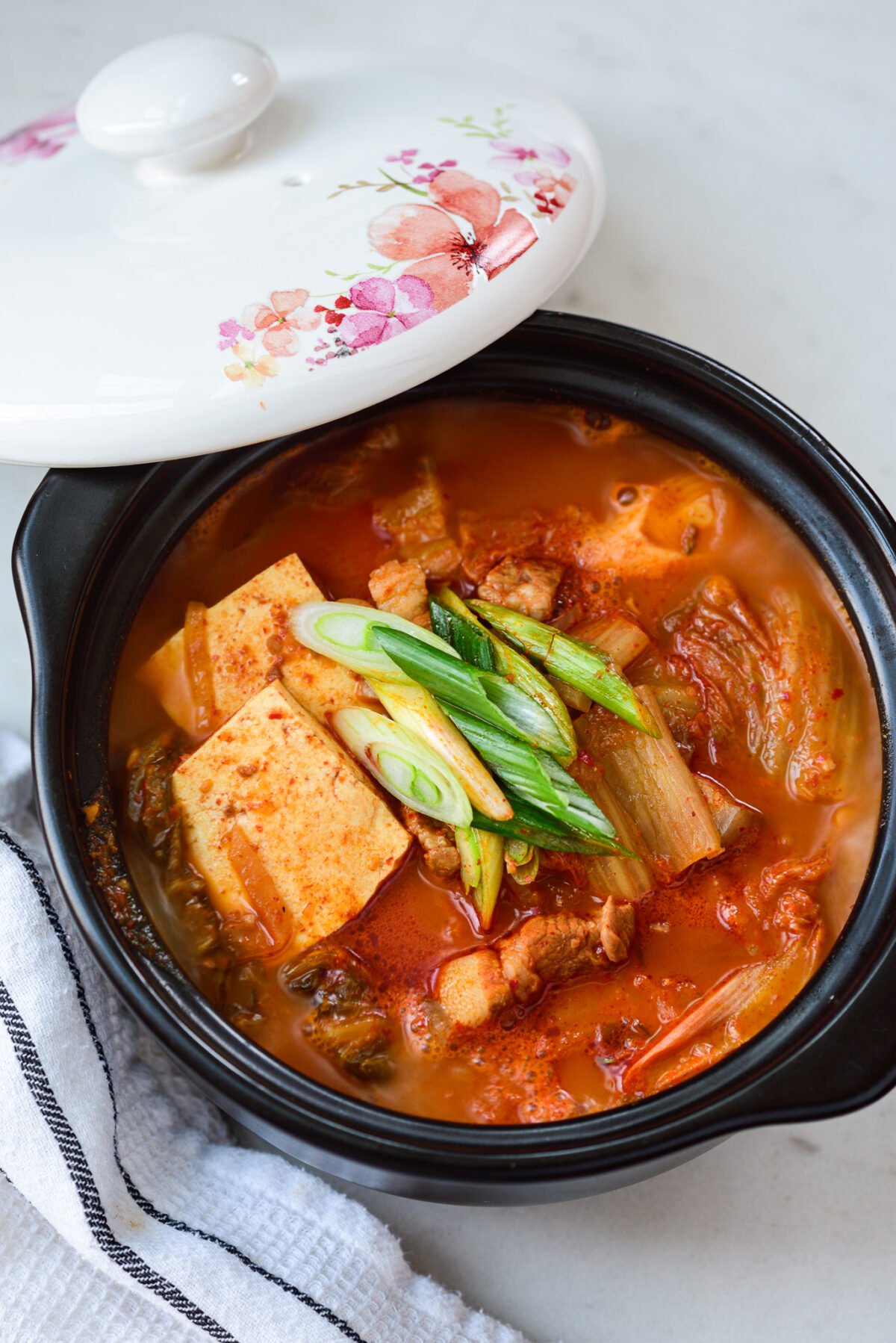
Kimchi jjigae is one of the most beloved traditional Korean main dishes, especially for home cooking. It is a spicy stew made with aged kimchi, tofu, pork or tuna, and gochujang. What makes kimchi jjigae special is its adaptability. No two households cook it exactly the same way.
Many Korean cooks insist that well-fermented kimchi is the key. As explained by the Institute of Traditional Korean Food, fermentation deepens flavor and adds beneficial probiotics. When kimchi becomes sour, it is no longer considered old. It becomes perfect for stews.
At home, kimchi jjigae teaches patience. You let the stew simmer until the flavors meld, tasting and adjusting as you go. It is forgiving, comforting, and deeply satisfying, especially when eaten with freshly steamed rice.
Bulgogi: everyday elegance in a pan
Bulgogi often appears on restaurant menus, but it is equally popular in Korean homes. Thinly sliced beef is marinated in soy sauce, sugar, garlic, sesame oil, and pear or apple for natural sweetness. The marinade reflects the Korean emphasis on balance, combining salty, sweet, and savory notes.
The Korean Beef Association highlights that bulgogi became widespread because it cooks quickly and stretches a small amount of meat to feed many people. This practicality makes it ideal for home kitchens. Bulgogi can be pan-fried, grilled, or even cooked in a shallow broth with vegetables.
Cooking bulgogi at home feels celebratory without being complicated. It is often served on busy evenings or family gatherings, proving that traditional food can be both special and practical.
Doenjang Jjigae: quiet, earthy comfort
If kimchi jjigae is bold and fiery, doenjang jjigae is calm and grounding. Made from fermented soybean paste, this stew reflects Korea’s agricultural roots. According to research published by the National Institute of Korean Food Research, doenjang is rich in amino acids and beneficial compounds developed through long fermentation.
At home, doenjang jjigae is often cooked with zucchini, tofu, onion, and sometimes seafood or beef. Its flavor is deep but not aggressive, making it a favorite for everyday meals. Many Korean families eat it several times a week, adjusting ingredients based on what is available.
This dish teaches an important lesson for home cooks. You do not need complexity to create depth. With time, fermentation, and care, simple ingredients can become deeply satisfying.
Japchae: balance in every bite
Japchae is a traditional noodle dish made with sweet potato glass noodles, vegetables, and sometimes beef. It is slightly sweet, savory, and wonderfully textured. While often associated with celebrations, japchae is also a common home-cooked dish.
The beauty of japchae lies in its method. Each ingredient is cooked separately to preserve its flavor and texture, then combined at the end. This technique, documented by the Korean Food Promotion Institute, reflects the Korean respect for ingredients.
Cooking japchae at home encourages mindfulness. You slow down, focus on each step, and appreciate the process. The result is a dish that feels light yet filling, perfect for family dinners.

Samgyeopsal at home: simple and social
Samgyeopsal, or grilled pork belly, is often associated with restaurants, but many Korean families prepare it at home. Thick slices of pork belly are grilled and eaten wrapped in lettuce with garlic, ssamjang, and rice.
Home-style samgyeopsal is about interaction. Everyone cooks, wraps, and eats together. The Korea Pork Producers Association notes that pork belly became popular due to its affordability and rich flavor, making it accessible for households across income levels.
Cooking samgyeopsal at home turns dinner into an experience. It is casual, social, and deeply satisfying, reminding us that food is as much about connection as it is about nourishment.
Bibimbap: harmony in a bowl
Bibimbap is one of the most visually appealing traditional Korean main dishes, yet it is rooted in practicality. Leftover vegetables, rice, a fried egg, and gochujang are combined into one bowl. The name itself means “mixed rice.”
Historically, bibimbap allowed households to reduce waste while creating a nutritious meal. The World Institute of Kimchi emphasizes that the variety of vegetables provides a wide range of nutrients, aligning with traditional Korean dietary principles.
At home, bibimbap is endlessly customizable. You use what you have, arrange it with care, and mix it just before eating. It is a perfect example of how Korean home cooking blends beauty with practicality.
Tteokbokki as a main dish
Although often considered street food, tteokbokki frequently becomes a main dish at home. Rice cakes simmered in spicy-sweet sauce offer comfort, especially for younger family members. Home versions often include fish cakes, eggs, or vegetables for balance.
Home-cooked tteokbokki is gentler than street versions, with adjustable spice levels. According to Korean culinary historians, its popularity grew because rice cakes were affordable and filling, making them ideal for home meals during difficult times.
Why traditional Korean dishes work so well at home
Traditional Korean main dishes are built around principles that suit home cooking. They emphasize fermentation, which improves shelf life and flavor. They rely on shared dishes, reducing pressure on the cook. They encourage seasonal eating, which naturally supports variety and nutrition.
Experts from the Korean Nutrition Society point out that traditional meals are balanced in carbohydrates, protein, and vegetables, making them suitable for everyday consumption. This balance is one reason Korean home cooking feels both comforting and sustaining.
Cooking Korean food outside Korea
Many people worry about authenticity when cooking Korean food at home, especially outside Korea. In my experience, authenticity comes from intention, not perfection. Using locally available vegetables, adjusting spice levels, and cooking with care matters more than following rigid rules.
Trusted resources like Maangchi and the Korean Food Foundation emphasize that Korean home cooking has always been adaptable. Families have always cooked based on what they had, not what was ideal.
Frequently Asked Questions
Are traditional Korean main dishes difficult for beginners to cook at home?
Traditional Korean main dishes are surprisingly beginner-friendly. Many recipes rely on simple techniques like simmering, stir-frying, or marinating. Once you understand basic ingredients such as gochujang, doenjang, and soy sauce, the cooking process becomes intuitive and forgiving.
Can I cook Korean food without special equipment?
Most traditional Korean dishes can be cooked using standard kitchen tools. A regular pot, pan, and knife are enough. While items like stone bowls or earthenware pots enhance flavor, they are not essential for home cooking.
How spicy are traditional Korean main dishes?
Spice levels vary widely. Dishes like doenjang jjigae are mild, while kimchi jjigae can be spicy. Home cooking allows full control over heat, making Korean food suitable for all preferences.
Are Korean main dishes healthy for daily meals?
Traditional Korean main dishes are generally well-balanced, focusing on vegetables, fermented foods, and moderate portions of meat. Nutrition research consistently highlights the benefits of fermented foods and vegetable-rich diets found in Korean cuisine.
Can I substitute ingredients if I cannot find Korean products?
Yes, substitutions are common in home cooking. While Korean ingredients offer authentic flavors, many cooks successfully adapt recipes using locally available items. The key is maintaining balance rather than strict accuracy.
A comforting tradition worth bringing home
Traditional Korean main dishes for home cooking offer something rare in modern life. They slow us down, invite us to taste and adjust, and remind us that meals are meant to be shared. These dishes are not about impressing guests or chasing perfection. They are about nourishment, warmth, and connection.
By starting with simple stews, marinated meats, or mixed rice bowls, anyone can bring Korean home cooking into their daily routine. The process teaches patience, respect for ingredients, and the joy of cooking for others. Over time, these dishes become more than meals. They become traditions of your own, shaped by your kitchen, your family, and your everyday life.


Comments
Post a Comment