Popular Korean Main Dishes with Cultural Meaning: Stories You Can Taste

Popular Korean Main Dishes with Cultural Meaning: Stories You Can Taste
The first time I shared a Korean meal with a Korean family, I noticed something that stayed with me far longer than the flavors. Nobody rushed. Dishes were placed carefully in the center, elders were served first, and every bite came with a story. In Korean culture, food is not just fuel or indulgence. It is memory, respect, healing, celebration, and identity — all served on one table.
Popular Korean main dishes are deeply connected to history, philosophy, geography, and everyday life. Each dish carries meaning shaped by centuries of hardship, seasonal living, Confucian values, and community-centered traditions. To truly understand Korean cuisine, you have to understand why these foods exist, when they are eaten, and what they symbolize to the people who cook and share them.
This article explores the cultural heart behind Korea’s most loved main dishes, drawing from historical sources, culinary scholarship, and lived dining experiences. Whether you are a home cook, a food traveler, or simply curious, these dishes reveal how Korea tells its story through food.
Bibimbap: Harmony in a Bowl
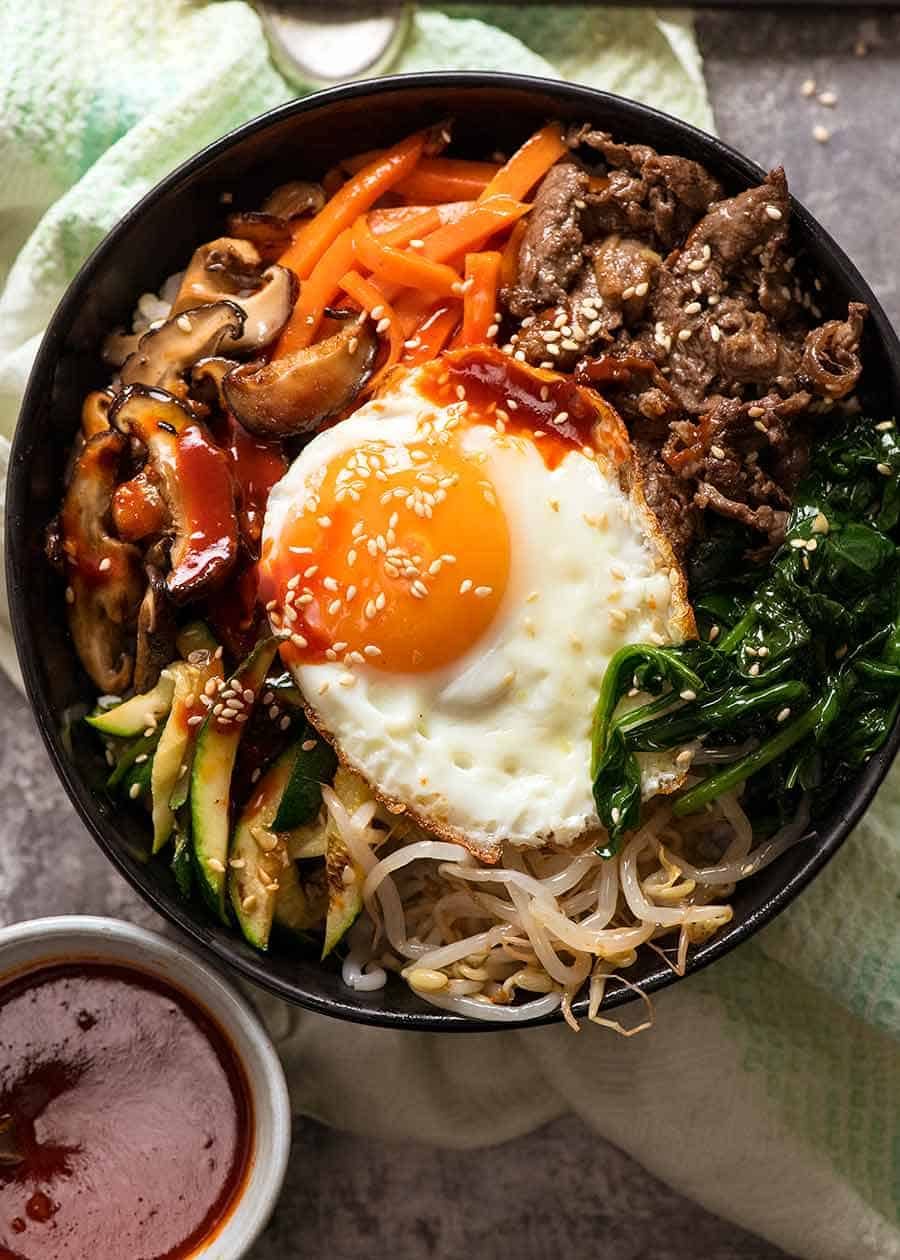
Bibimbap is often the first Korean dish people encounter, and for good reason. On the surface, it looks simple: rice topped with vegetables, meat, egg, and chili paste. But culturally, bibimbap represents harmony, balance, and mindful living.
Rooted in traditional Korean philosophy, the dish reflects the concept of balance between opposing forces and the five traditional colors used in Korean cuisine. White rice symbolizes purity, green vegetables represent growth, red chili paste stands for vitality, yellow egg reflects prosperity, and dark mushrooms or seaweed signify depth and wisdom. This color balance aligns with ideas found in traditional Korean medicine, which emphasizes harmony within the body.
Historically, bibimbap was a practical dish eaten during ancestral rituals or at the end of the lunar year, allowing families to mix leftover side dishes rather than waste food. Over time, it became a symbol of resourcefulness and unity. Modern culinary historians at institutions like the Korean Food Foundation have documented how bibimbap evolved from humble household fare into a global ambassador of Korean cuisine.
Eating bibimbap is an interactive experience. Mixing everything together before eating is not accidental. It reflects the cultural belief that different elements, when combined thoughtfully, create something stronger and more nourishing than when kept apart.
Kimchi Jjigae: Comfort Born from Survival
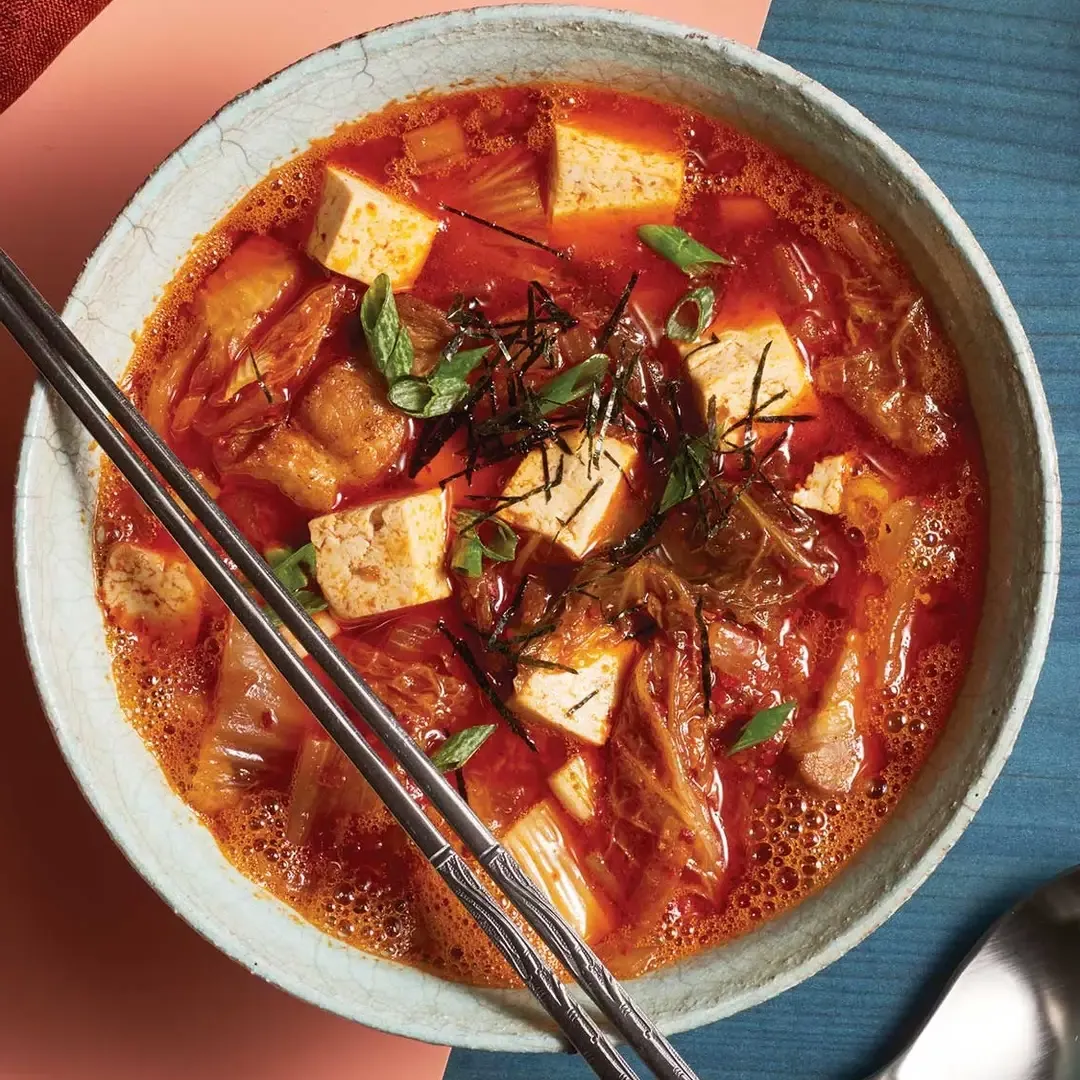
Kimchi jjigae is not flashy. It does not try to impress. But for many Koreans, it is the emotional center of home cooking. This stew, made from fermented kimchi, pork, tofu, and anchovy broth, tells a story of resilience.
Kimchi itself emerged as a preservation method during long, harsh winters when fresh vegetables were scarce. Turning aged kimchi into stew was a practical solution when fermentation went too far to eat raw. Over generations, this practice became tradition. Kimchi jjigae became the dish families relied on during times of war, poverty, and rebuilding.
Food anthropologists from Seoul National University have noted that kimchi jjigae became especially prominent after the Korean War, when ingredients were limited and nourishment was essential. The stew provided warmth, calories, probiotics, and comfort — a form of culinary healing.
Today, kimchi jjigae is often associated with family meals, late nights, and emotional support. Many Koreans say it tastes best when someone cooks it for you, not when you cook it yourself. That belief highlights how food in Korea is tied to care and relationship, not just flavor.
Bulgogi: Celebration and Hospitality on a Plate
Bulgogi, thinly sliced marinated beef grilled over heat, is deeply linked with celebration and generosity. Historically enjoyed by royalty during the Goguryeo era, bulgogi later became accessible to common households, especially during festive occasions.
The sweet-savory marinade reflects Korean culinary balance, combining soy sauce, garlic, sesame oil, and fruit-based sweetness. According to research published by the National Institute of Korean History, bulgogi was traditionally served to honor guests, elders, and important milestones like weddings or birthdays.
What makes bulgogi culturally meaningful is not just its taste but how it is served. It is often cooked communally, shared across the table, and wrapped in lettuce with condiments. This interactive style reinforces values of togetherness and equality, where everyone eats from the same source.
In modern Korea, bulgogi bridges generations. It is familiar enough for elders and approachable enough for children and international guests. That adaptability mirrors Korea’s ability to preserve tradition while embracing change.
Samgyeopsal: Community, Work, and Modern Identity
Samgyeopsal, grilled pork belly eaten at tabletop grills, is a relatively modern cultural phenomenon. Its rise coincided with Korea’s rapid industrial growth in the late twentieth century, when factory workers needed affordable, filling meals after long shifts.
Unlike formal dishes, samgyeopsal has no marinade and no hierarchy at the table. Everyone grills their own meat, pours drinks for one another, and eats together. Sociologists studying Korean dining culture often describe samgyeopsal as a symbol of workplace bonding and social equality.
There is also ritual in how samgyeopsal is eaten. Pouring drinks for others, wrapping meat in leaves, and sharing side dishes reinforce unspoken rules of respect and care. Even the smoke-filled atmosphere has cultural meaning, representing release after stress and labor.
Today, samgyeopsal restaurants are where friendships deepen, business relationships soften, and everyday life pauses. It shows how Korean food culture adapts to social change while still emphasizing community.
Japchae: A Dish of Celebration and Longevity
Japchae, made from glass noodles stir-fried with vegetables and meat, is traditionally served during birthdays, weddings, and holidays. Its glossy texture and balanced flavors symbolize prosperity and long life.
Introduced during the Joseon dynasty, japchae was originally a royal dish without noodles. The addition of sweet potato starch noodles came later, reflecting Korea’s agricultural evolution. Culinary records preserved by the Royal Cuisine Institute detail how japchae was designed to appeal to both taste and appearance, reflecting Confucian values of refinement.
The dish’s complexity also carries meaning. Preparing japchae requires cooking ingredients separately and combining them at the end, a process that rewards patience and care. Many Korean families pass down personal variations, making it a dish tied closely to memory and lineage.
Tteokguk and the Meaning of Growing Older
Tteokguk, a soup made with sliced rice cakes, is eaten on Lunar New Year to symbolize renewal and the passing of time. In Korean culture, you traditionally “gain a year” in age after eating tteokguk.
The oval-shaped rice cakes represent old coins, symbolizing wealth and good fortune. The clear broth signifies purity and fresh beginnings. Cultural historians from the Academy of Korean Studies explain that eating tteokguk is both a personal and communal ritual, connecting individuals to the collective passage of time.
This dish reminds us that food in Korea often marks life transitions, anchoring abstract concepts like age and renewal into tangible experiences.
FAQ: Understanding Korean Main Dishes and Their Cultural Meaning
Why is sharing food so important in Korean culture?
Sharing food reflects Confucian values of respect, hierarchy, and community. Meals are seen as opportunities to strengthen relationships, show care, and maintain social harmony.
Are Korean main dishes always spicy?
No. While chili paste is common, many traditional dishes focus on balance rather than heat. Flavors often include fermentation, sweetness, and umami without overwhelming spice.
Why do Korean meals include so many side dishes?
Side dishes allow variety, balance, and personalization. They reflect seasonal eating and ensure nutritional diversity, a practice rooted in traditional health beliefs.
How does history influence Korean cuisine today?
Korean food reflects periods of scarcity, war, and recovery. Preservation techniques, communal cooking, and ingredient choices all evolved from historical necessity.
Can these dishes be adapted for home cooking outside Korea?
Yes. Many Korean chefs and culinary educators encourage adapting ingredients while respecting core techniques and flavors. Understanding the dish’s meaning enhances the cooking experience.
A Final Reflection: Eating with Understanding
Popular Korean main dishes are not recipes frozen in time. They are living expressions of history, resilience, and human connection. When you eat bibimbap, you are tasting balance. When you share samgyeopsal, you are participating in modern social ritual. When you simmer kimchi jjigae, you are honoring generations who survived by transforming scarcity into comfort.
If you want to truly experience Korean cuisine, cook slowly, eat together, and listen to the stories behind the food. Seek out authentic sources, learn from Korean voices, and approach each dish with curiosity and respect. Food becomes far richer when you understand not just how it tastes, but why it exists.
In Korean culture, a meal is never just a meal. It is a conversation between past and present, between people at the table, and between the values that shape everyday life. When you embrace that perspective, every bite becomes meaningful.


Comments
Post a Comment