Korean Soup Dishes With Historical Background: Stories Simmered Over Centurie

Korean Soup Dishes With Historical Background: Stories Simmered Over Centuries
There is a moment in almost every Korean household when a bubbling pot of soup takes center stage. Steam rises, aromas deepen, and conversation slows as everyone leans closer to the table. Korean soups are not just food; they are memory, medicine, ritual, and history served in a bowl. To understand Korean cuisine without understanding its soups is to read only half the story.
My own introduction to Korean soups came years ago in a modest family-run restaurant in Seoul. I ordered what seemed like a simple beef soup, yet the depth of flavor felt ancient, as if generations had been quietly whispering into the broth. That experience pushed me to explore not just recipes, but the historical roots behind Korea’s most beloved soup dishes. What I discovered was a culinary tradition deeply shaped by geography, philosophy, war, royal courts, and everyday survival.
This journey through Korean soup dishes with historical background reveals how each bowl reflects a chapter of Korea’s past, offering insight into how people lived, healed, celebrated, and endured.
Why Soup Holds a Sacred Place in Korean Food Culture
Korea’s climate has long dictated the importance of warm, nourishing food. Harsh winters, monsoon summers, and mountainous terrain made soups essential for survival. Historically, meat was scarce for commoners, so bones, vegetables, fermented pastes, and long simmering techniques were used to extract maximum nutrition.
Beyond practicality, soup carried philosophical meaning. Influenced by Confucian values, meals emphasized balance, harmony, and care for the body. A well-made soup symbolized respect for family, elders, and guests. It is no coincidence that many Korean rites of passage—from childbirth to mourning—center around soup.
Guk and Tang: The Backbone of Korean Daily Life
Joseon Wangjo Sillok, the extensive chronicles of the Joseon Dynasty, frequently reference soups served at royal banquets and state rituals. This historical record confirms that soups were not merely humble fare but a cornerstone of Korean dining across all social classes.
Guk and tang are generally lighter, broth-forward soups. They were everyday sustenance for farmers, scholars, and soldiers alike. A classic example is Gukbap, which combined rice and soup into one bowl, offering warmth and energy for laborers during long workdays. Gukbap became especially prominent during the Joseon period when communal eating houses served travelers and merchants.
The tradition continues today, and food historians often point out that gukbap culture laid the groundwork for Korea’s modern comfort food scene. The National Folk Museum of Korea provides excellent documentation on how these soups shaped daily life, a resource many culinary researchers still reference.
Seolleongtang: Royal Bones, Common Bowls
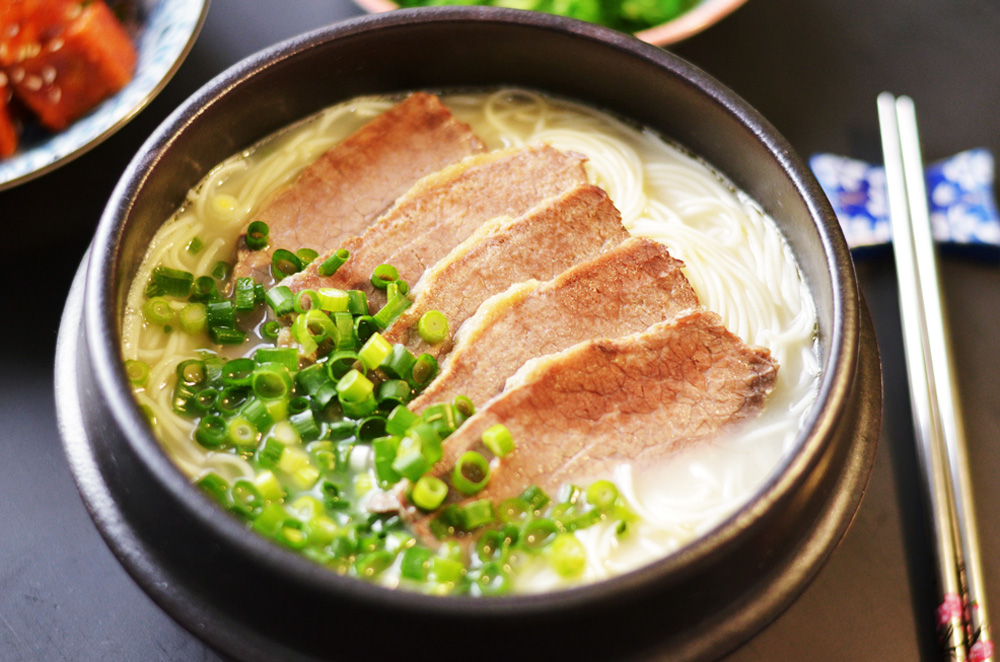
One of the most historically rich soups is Seolleongtang. Its origins trace back over a thousand years to royal sacrificial rites honoring agricultural deities. After these ceremonies, ox bones were simmered for hours so nothing was wasted, aligning with Confucian ideals of frugality and respect.
Over time, this practice filtered down from royal courts to common households. The long simmering produced a milky broth rich in calcium and collagen. During the Joseon Dynasty, seolleongtang became a staple for scholars preparing for civil service exams and for families seeking nourishment during winter.
Modern nutritionists often highlight bone broths for joint and gut health, unknowingly echoing wisdom Koreans practiced centuries ago. Institutions like the Korean Food Promotion Institute frequently reference seolleongtang as a prime example of historical food aligning with contemporary health science.
Miyeokguk: A Soup of Birth, Sea, and Survival
Few soups are as emotionally charged as Miyeokguk. Traditionally eaten by women after childbirth, this soup carries roots in Korea’s coastal communities. Seaweed was abundant, mineral-rich, and believed to promote healing and blood circulation.
Historically, women divers known as haenyeo consumed seaweed soup after long dives, recognizing its restorative properties long before modern nutritional studies confirmed its iodine and iron content. Over time, miyeokguk became associated with birthdays, a living reminder of one’s mother and the act of birth itself.
Culinary anthropologists often cite miyeokguk as an example of how Korean food encodes emotional memory. Resources from Seoul National University’s food studies programs frequently examine this soup when discussing food and identity.
Kimchi Jjigae: War, Fermentation, and Resilience

While jjigae is thicker than soup, its historical relevance cannot be ignored. Kimchi Jjigae rose to prominence during times of hardship, particularly after the Korean War. Aging kimchi, too sour to eat raw, was transformed into something deeply satisfying when simmered with tofu, pork, or anchovy stock.
This dish reflects Korean ingenuity and refusal to waste food. Fermentation, a survival strategy during long winters, became a defining culinary technique. Today, food historians often reference kimchi jjigae when discussing how conflict shapes national cuisine. Publications from the Korean Cultural Heritage Administration highlight jjigae as a symbol of post-war resilience.
Samgyetang: Healing Through Heat
Samgyetang is traditionally eaten during the hottest days of summer, a practice rooted in traditional Korean medicine. The philosophy of “fighting heat with heat” aimed to restore balance and energy lost through excessive sweating.
The dish combines young chicken, ginseng, jujubes, and glutinous rice—ingredients valued for their medicinal properties. Historical texts from the Joseon era mention similar restorative soups served to royalty and soldiers alike. Today, institutions such as the Korean Medicine Association still reference samgyetang when discussing food-based wellness traditions.
Doenjang Guk: Fermentation and Farming Wisdom
Soybean paste soup, or Doenjang Guk, represents Korea’s deep agricultural roots. Doenjang fermentation dates back thousands of years, allowing families to preserve protein through winter. This soup was common among farmers, monks, and rural households.
Historical records show that temples refined vegetarian versions of doenjang guk, influencing Korea’s temple cuisine tradition. Modern chefs and historians alike praise this soup for its simplicity and depth, often referencing academic studies from the World Institute of Kimchi on fermented foods and gut health.
How Korean Soups Preserve History in Modern Kitchens
Despite modernization, Korean soups remain remarkably consistent with their historical forms. Recipes are passed down orally, adjusted slightly for taste but rarely stripped of meaning. Cooking a traditional soup today is an act of preservation, connecting modern kitchens to centuries-old practices.
If you want to experience these soups authentically, Korean culinary scholars often recommend starting with seasonal ingredients, respecting fermentation timelines, and understanding why each soup exists—not just how to cook it.
Frequently Asked Questions
Why are soups so important in Korean history?
Soups developed as practical solutions to climate, scarcity, and nutrition. Over time, they absorbed cultural, philosophical, and emotional significance, becoming central to daily meals and rituals.
Are Korean soups connected to traditional medicine?
Yes. Many soups align closely with principles of traditional Korean medicine, using ingredients believed to balance the body, improve circulation, and restore energy.
Did royal cuisine influence everyday Korean soups?
Absolutely. Many soups originated in royal or ceremonial contexts and gradually spread to common households, adapting to available ingredients.
Is fermentation essential to Korean soup history?
Fermentation was crucial for survival, especially during harsh winters. Ingredients like doenjang and kimchi shaped many iconic soups and remain foundational today.
Can beginners appreciate these historical soups without deep cooking skills?
Yes. Understanding the story behind each soup often makes the cooking process more intuitive and meaningful, even for beginners.
A Closing Reflection: Listening to the Broth
Korean soup dishes with historical background are quiet storytellers. They speak of farmers braving cold winters, mothers recovering from childbirth, scholars chasing dreams, and a nation rebuilding after war. Each simmering pot carries lessons about patience, balance, and care.
To truly appreciate these soups, take time to cook them slowly, learn their origins, and serve them with intention. Whether you are tasting seolleongtang for the first time or preparing miyeokguk for someone you love, you are participating in a tradition far older than any recipe book.
In a fast-moving world, Korean soups remind us that some of the most meaningful things in life—healing, comfort, connection—cannot be rushed.


Comments
Post a Comment