Authentic Korean Jjigae Recipes for Beginners: A Warm Introduction to Korea’s Most Comforting Stews
Authentic Korean Jjigae Recipes for Beginners: A Warm Introduction to Korea’s Most Comforting Stews
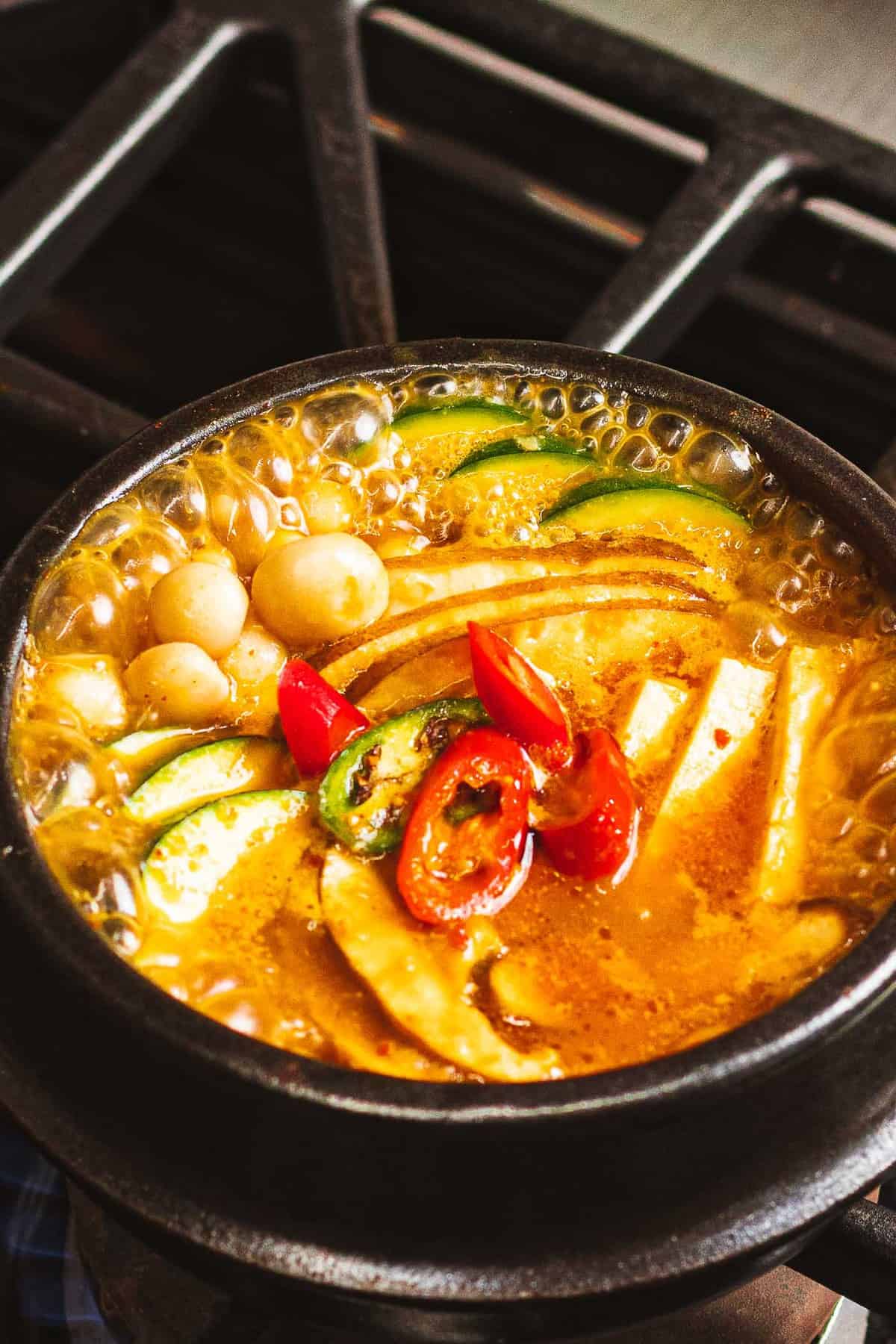
The first time I tasted jjigae in a small neighborhood kitchen in Seoul, it wasn’t served with ceremony or flair. It arrived bubbling fiercely in a stone pot, steam fogging my glasses, the aroma of fermented soybean paste and garlic wrapping the table in instant comfort. Someone smiled and said, “Eat while it’s boiling.” That moment taught me something important: jjigae isn’t just food. It’s warmth, patience, and everyday life simmered together.
For beginners, Korean jjigae can seem intimidating. Fermented ingredients, unfamiliar names, and clay pots that keep things boiling long after the stove is off. But jjigae is actually one of the most forgiving and beginner-friendly categories in Korean cooking. Home cooks across Korea make it daily with whatever is available, adjusting seasoning by instinct rather than measurement. This guide is written to help you start confidently, with authentic recipes, cultural context, and practical tips drawn from real kitchens and expert-backed sources.
Understanding Jjigae Before You Cook
Jjigae is a thick, hearty Korean stew, distinct from lighter soups known as guk. Traditionally cooked in earthenware pots called ttukbaegi, jjigae is meant to be shared, eaten hot, and adjusted to taste as it cooks. Korean culinary historians from institutions like the Korean Food Promotion Institute explain that jjigae developed as a practical meal for households, allowing fermented staples like doenjang and kimchi to be stretched into nourishing dishes during long winters. You can explore their cultural documentation through resources such as the Korean Food Foundation’s official site at https://www.hansik.org.
The beauty of jjigae lies in its balance. Salty fermentation meets clean broth, protein meets vegetables, and time does most of the work. For beginners, understanding this balance is more important than memorizing exact quantities.
Essential Pantry Ingredients for Authentic Flavor
Authentic jjigae relies on a small group of core ingredients used across Korean households. Fermented soybean paste, known as doenjang, provides earthy depth. Gochujang adds gentle heat and sweetness. Gochugaru, the coarse red chili flakes, delivers aroma rather than raw spice. Anchovy-kelp broth forms the backbone of most stews, a technique widely taught by Korean culinary educators such as those featured on Maangchi’s trusted cooking platform at https://www.maangchi.com.
To beginners, fermentation may sound strong, but these ingredients mellow beautifully once simmered. If you’ve ever worried about overpowering flavors, jjigae is surprisingly forgiving, especially when cooked slowly.
Classic Kimchi Jjigae for First-Time Cooks
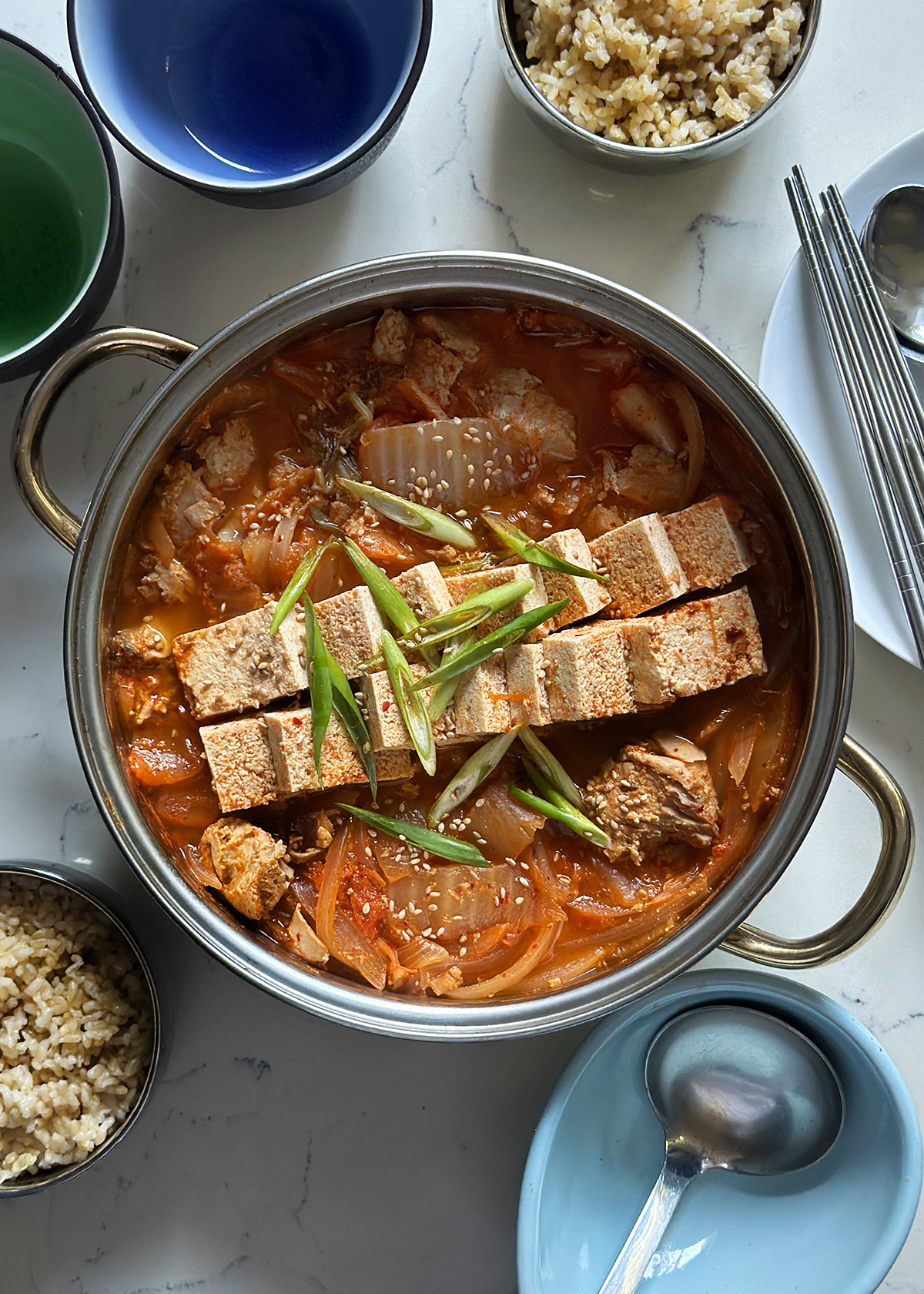
Kimchi jjigae is often the first jjigae Koreans learn to cook. It’s also one of the best starting points for beginners because it rewards patience more than precision. The key is using well-fermented kimchi. Fresh kimchi lacks the acidity and depth needed for a satisfying stew.
Begin by gently sautéing sliced pork belly or canned tuna in a pot with a little sesame oil. Add chopped aged kimchi and cook until the kimchi softens and releases its aroma. This step is crucial and frequently emphasized by professional Korean chefs featured in Serious Eats’ Korean food guides at https://www.seriouseats.com. Once fragrant, add anchovy-kelp broth, a spoon of gochujang, a little gochugaru, and let it simmer slowly. The stew improves the longer it cooks, and tasting as you go is encouraged.
What beginners often discover is that kimchi jjigae teaches confidence. You adjust saltiness with kimchi juice, heat with chili flakes, and richness with tofu or pork. There is no single “correct” version, only one that tastes right to you.
Doenjang Jjigae: Earthy, Gentle, and Nourishing
Doenjang jjigae is often described as Korea’s answer to miso soup, but that comparison barely scratches the surface. This stew is deeper, chunkier, and more rustic. Traditionally made with vegetables like zucchini, onion, and tofu, it sometimes includes seafood or beef depending on region.
The most common beginner mistake is using too much paste. Doenjang is powerful, and Korean home cooks usually start with less, adding gradually. Culinary research published by the Journal of Ethnic Foods highlights how fermentation enhances umami while reducing harshness during cooking, which is why simmering is essential.
Start by dissolving a small amount of doenjang into warm anchovy broth before adding vegetables. Let it bubble gently, then finish with tofu and a splash of sesame oil. The result is a stew that feels grounding and nourishing, perfect for days when you want comfort without spice.
Sundubu Jjigae: Soft Tofu and Controlled Heat

Sundubu jjigae is visually dramatic and emotionally soothing. Silken tofu breaks apart into creamy clouds, thickening the broth naturally. Many beginners assume this stew is extremely spicy, but heat is entirely adjustable.
The traditional base begins with a flavored oil made by gently heating gochugaru in sesame oil. This technique is taught in many Korean cooking schools and documented in educational videos from platforms like the Korean Tourism Organization’s food archives at https://english.visitkorea.or.kr. Once the oil blooms, add broth, seafood or beef, and finally spoon in soft tofu rather than cutting it.
For first-time cooks, sundubu jjigae builds intuition. You learn how chili behaves in oil, how tofu absorbs seasoning, and how an egg cracked in at the end can soften everything into balance.
Practical Tips That Make Jjigae Easier
One lesson shared by nearly every Korean home cook is to trust your senses. Jjigae should smell inviting before it tastes right. If it smells flat, it needs time. If it tastes sharp, it needs warmth. This philosophy is echoed by food anthropologists writing for Smithsonian Magazine’s Korean food features at https://www.smithsonianmag.com.
Cooking jjigae in a heavy pot helps maintain steady heat, but beginners can succeed with any thick-bottomed saucepan. Letting the stew rest for five minutes after cooking often improves flavor, as the ingredients settle and meld.
Common Beginner Concerns and How to Overcome Them
Many beginners worry about authenticity. The truth is, authenticity in Korean home cooking is flexible. Regional variations exist, and substitutions are common. What matters is respecting the core ingredients and cooking method. Trusted resources like the Korean Ministry of Agriculture’s food culture publications at https://www.korea.net emphasize that Korean cuisine evolved through adaptation, not rigid rules.
If an ingredient is unavailable, focus on balance rather than perfection. A slightly different tofu or vegetable won’t ruin your jjigae. Over-seasoning is harder to fix than under-seasoning, so start light and adjust slowly.
Why Jjigae Is Ideal for Beginner Home Cooks
Jjigae teaches patience, tasting, and intuition. Unlike stir-fries that demand speed, jjigae rewards slowing down. Nutrition experts writing for Healthline’s Korean food coverage at https://www.healthline.com note that jjigae provides a balanced mix of protein, vegetables, and fermented foods, making it both satisfying and nourishing.
For beginners, this combination of simplicity and depth builds confidence quickly. You’re not just following a recipe; you’re learning how flavors develop over time.
Frequently Asked Questions About Authentic Korean Jjigae
Is jjigae always spicy?
Jjigae does not have to be spicy. While many versions include chili paste or flakes, doenjang jjigae is often mild, and even spicy stews can be adjusted easily. Heat in Korean cooking is layered, not aggressive, allowing beginners to control spice levels comfortably.
Can I make jjigae without a stone pot?
Yes, absolutely. While traditional earthenware retains heat beautifully, a regular heavy-bottomed pot works well. The most important factor is steady simmering rather than high heat.
How long does jjigae last in the refrigerator?
Most jjigae keeps well for two to three days when refrigerated properly. In fact, flavors often deepen overnight, which is why many Korean households intentionally cook larger batches.
Is jjigae healthy for everyday meals?
Jjigae can be very healthy when balanced properly. Using moderate salt, plenty of vegetables, and lean proteins makes it suitable for regular meals. Fermented ingredients contribute beneficial compounds when consumed as part of a varied diet.
What should I serve with jjigae?
Traditionally, jjigae is served with steamed rice and small side dishes. For beginners, plain rice is enough to balance the bold flavors of the stew.
A Thoughtful Conclusion for First-Time Jjigae Cooks
Learning to cook authentic Korean jjigae is less about mastering a recipe and more about understanding rhythm. You learn to listen to the simmer, smell the broth, and trust your taste buds. Each pot teaches you something new, whether it’s how fermentation softens with heat or how patience transforms simple ingredients into comfort.
If you’re just beginning, start with one stew and cook it more than once. Notice how it tastes on day one versus day two. Adjust slowly, keep notes if you like, and don’t rush the process. Jjigae has sustained Korean families for generations not because it’s complicated, but because it’s forgiving, nourishing, and deeply human.
When your kitchen fills with steam and the stew bubbles gently, you’ll understand why jjigae remains at the heart of Korean home cooking. It’s not just a meal. It’s a practice of care, warmth, and quiet confidence, one pot at a time.


Comments
Post a Comment